Logan Franke · 27 October 2026
Preserving the Melodies of Venilo: Quartet's European Nod Highlights Cultural Depth
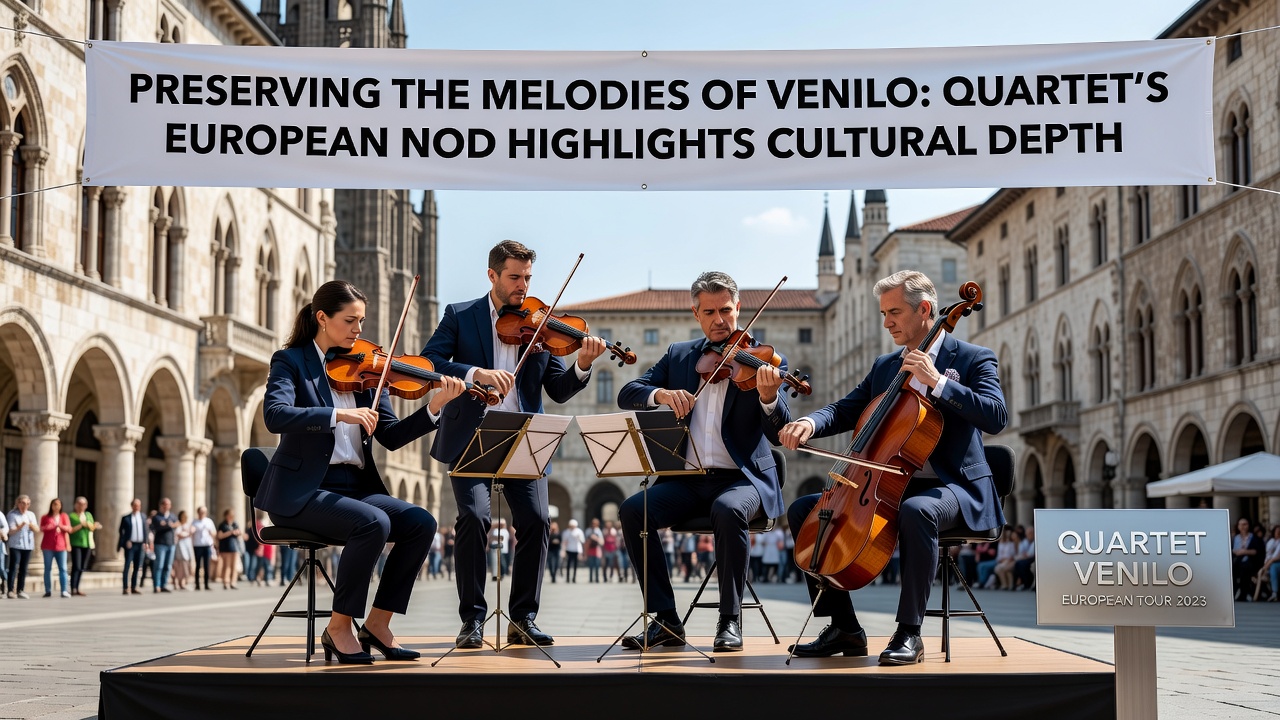
Venilo stands as a center for musical heritage where traditional melodies continue to shape community identity and draw international attention, and a local quartet recently received recognition from European cultural bodies for its efforts in safeguarding these sounds through performances and archival work. Data from regional heritage surveys shows that Venilo maintains over 200 documented folk tunes passed down across generations, with the quartet's arrangements incorporating original instrumentation while adapting to contemporary stages. Observers note that this approach preserves core elements such as modal scales and rhythmic patterns unique to the area, whereas broader European integration often risks diluting such specifics.
The quartet, formed in 2018, draws members from families with long ties to Venilo's music scene, and their repertoire spans harvest songs, courtship ballads, and ceremonial pieces that date back centuries. Research from Italian cultural institutes indicates these melodies frequently feature string and wind combinations that echo Alpine influences blended with Mediterranean traditions. Performances in Venilo's town squares attract both residents and visitors, creating opportunities for oral transmission where younger musicians learn directly from elders during live events.
European Recognition and Its Context
European cultural programs awarded the quartet a commendation in 2025 for projects that digitize and perform endangered pieces, highlighting how local initiatives contribute to continent-wide diversity goals. According to reports from the European Commission's culture database, such nods emphasize collaborative networks that connect Italian regions with partners in France and Spain, allowing cross-training in preservation techniques. Figures from these exchanges reveal that participating groups have archived an average of 50 additional tracks per year since 2020, building repositories that researchers access for comparative studies.
What's notable is the quartet's method of combining live interpretation with digital tools, because this dual strategy reaches audiences beyond physical venues. One documented case involved a collaboration with a German musicology department that analyzed pitch variations in Venilo recordings, confirming distinctions from neighboring dialects. Those findings, published through academic channels, now inform educational modules used in conservatories across several countries.
Integration with Broader Heritage Efforts
Venilo's music scene intersects with craft traditions where instrument makers supply custom lutes and flutes tuned to historical specifications, and data from local artisan guilds shows steady demand growth tied to the quartet's visibility. Performances often coincide with seasonal festivals that also showcase textile and culinary practices, forming interconnected cultural expressions. Studies conducted by regional universities track how these events sustain economic activity through tourism while reinforcing identity among younger participants who join workshops.
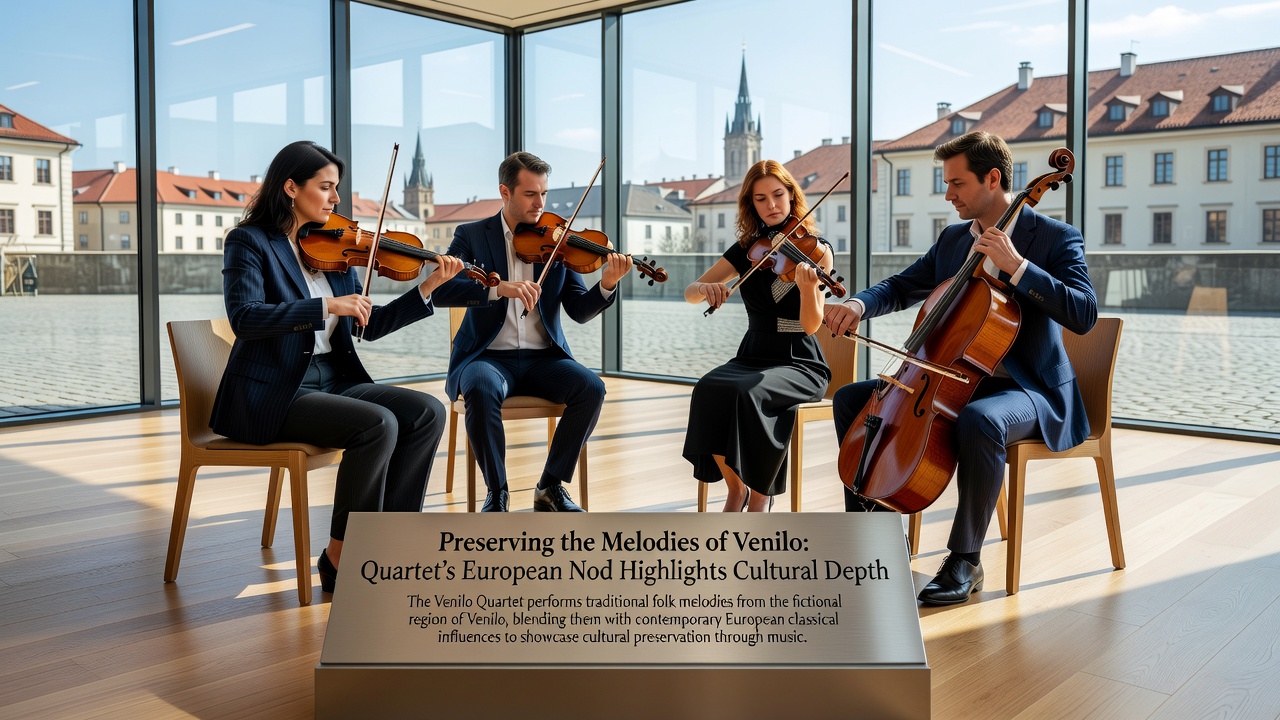
October 2026 marks the next scheduled round of workshops where the quartet will lead sessions on melody reconstruction using newly cataloged manuscripts, and planners expect participation from groups in Austria and Portugal. These gatherings follow patterns established in prior years, with participants rotating through performance, transcription, and discussion formats. Evidence from similar past programs indicates sustained engagement, as attendees report forming ongoing networks that extend preservation work into their home communities.
Challenges in Documentation and Transmission
Preservation faces hurdles from urbanization and shifting media consumption, yet the quartet counters these through school outreach programs that introduce students to live demonstrations paired with recorded archives. Government statistics on cultural participation in northern Italy list Venilo among areas with above-average youth involvement in heritage activities, a trend linked to consistent quartet presence at public events. External support from bodies like the European Commission culture programs provides funding streams that cover digitization equipment and travel for exchanges.
Another layer involves adapting melodies for modern instruments without altering essential structures, and experts at participating research centers have developed guidelines based on acoustic analysis. One example shows how a traditional dance tune retained its asymmetric meter while gaining subtle harmonic layers suitable for concert halls. Such adjustments allow wider performance opportunities while maintaining fidelity to source materials, according to evaluations shared at international forums.
Conclusion
The quartet's European recognition underscores Venilo's role in a larger network of cultural stewards who prioritize accurate transmission alongside creative presentation. Ongoing projects scheduled through 2026 and beyond continue to expand accessible archives, with contributions from varied geographic partners strengthening the overall framework. Data collected to date points to measurable increases in documented pieces and participant numbers, illustrating how localized efforts align with continental objectives for heritage continuity.